

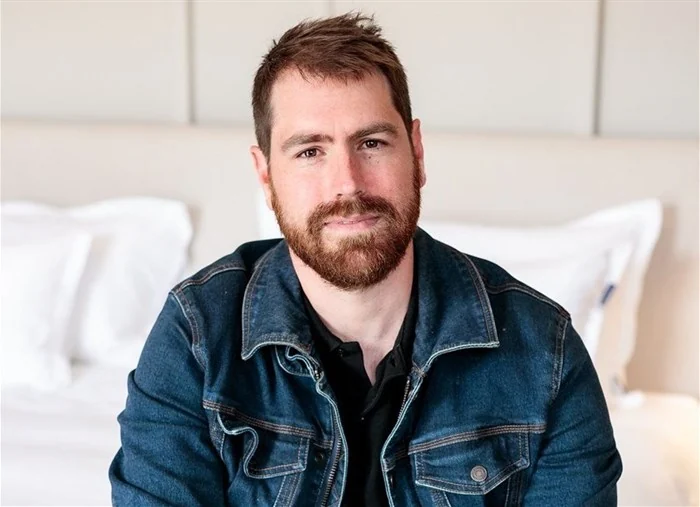
By Rudo Kemp, founder of Sloom
A particular kind of exhaustion arrives in November. The end of the year is finally in sight, and the tank is almost empty. We are closing out annual projects, chasing year-end targets, and bracing for the social marathon of December, while our bodies quietly request leave.
The standard response is to push harder. Another cup of coffee, another evening surrendered to the inbox, another loan of energy taken from tomorrow to survive today. We tell ourselves that this is what commitment looks like.
It is not. From my personal experience, you cannot outwork burnout, and you cannot caffeinate your way out of it, either. The strongest defence against end-of-year fatigue is not a productivity app or a long weekend away. It is sleep, treated as infrastructure rather than as a reward.
Consider what we are actually carrying by November: ten months of accumulated stress, a mental load at its annual peak, and the twin demands of closing the work year while planning a family festive season. That load follows us to bed. In Sloom’s 2026 Sleep Census of 5,602 South Africans, almost half of respondents, 49.8%, said stress affects their sleep. We may spend eight hours in bed, but if the mind is racing and the room is not built for rest, we get up as tired as when we lay down. Stress disrupts sleep, and poor sleep makes stress harder to carry. The loop closes, and then it tightens.
The science here is not soft. Burnout and sleep deprivation are locked in a bidirectional relationship – poor sleep is one of the largest contributors to burnout, and burnout makes restorative sleep close to impossible. Chronically elevated cortisol keeps the nervous system on high alert, fragmenting sleep and stripping out the deep stages where recovery actually happens. Being awake for twenty-four hours produces cognitive impairment comparable to a blood alcohol level of 0.10%. People who routinely sleep less than six hours a night carry a 13% higher mortality risk than those who rest properly. Around a third of adults are chronically sleep-deprived, and surveys suggest that the large majority of workers report burnout. We are running an economy on people who are, functionally, impaired.
The objection I hear most often is that December will fix it. It will not. A holiday cannot repay a debt accumulated over ten months, and a festive season spent recovering from work is not a festive season at all. Rest that arrives only after collapse is not recovery. It is repair.
So what does it look like to treat sleep as a strategy rather than a luxury in the final weeks of the year? It begins with boundaries defended the way we defend a board meeting. Nobody casually skips a meeting with the board. Very few of us extend the same protection to the hours in which our bodies rebuild themselves. Going to bed and waking up at consistent times regulates the circadian rhythm, which makes sleep come more easily even when the daytime schedule is chaotic. Consistency is the cheapest performance intervention available, and almost nobody takes it.
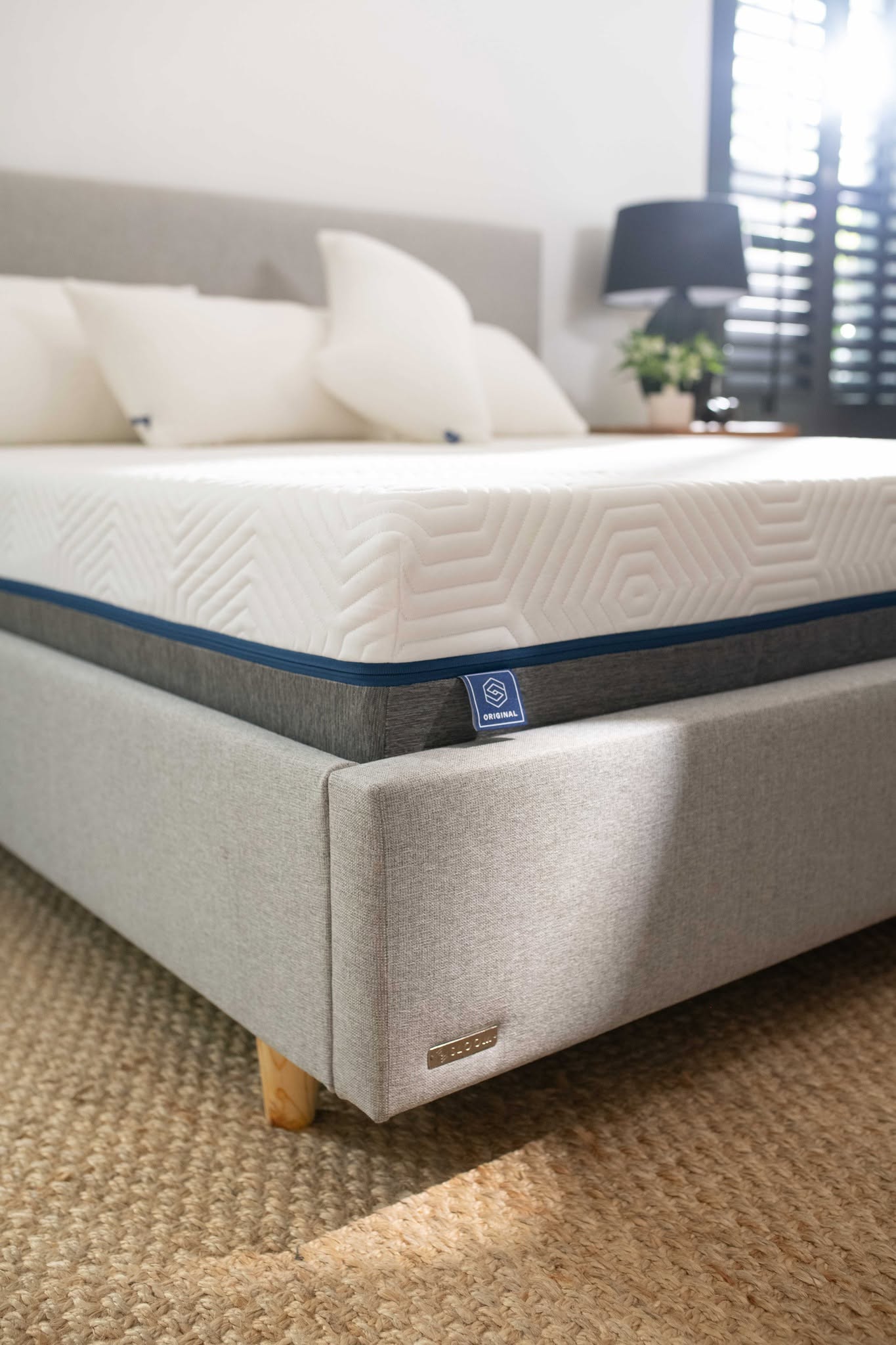
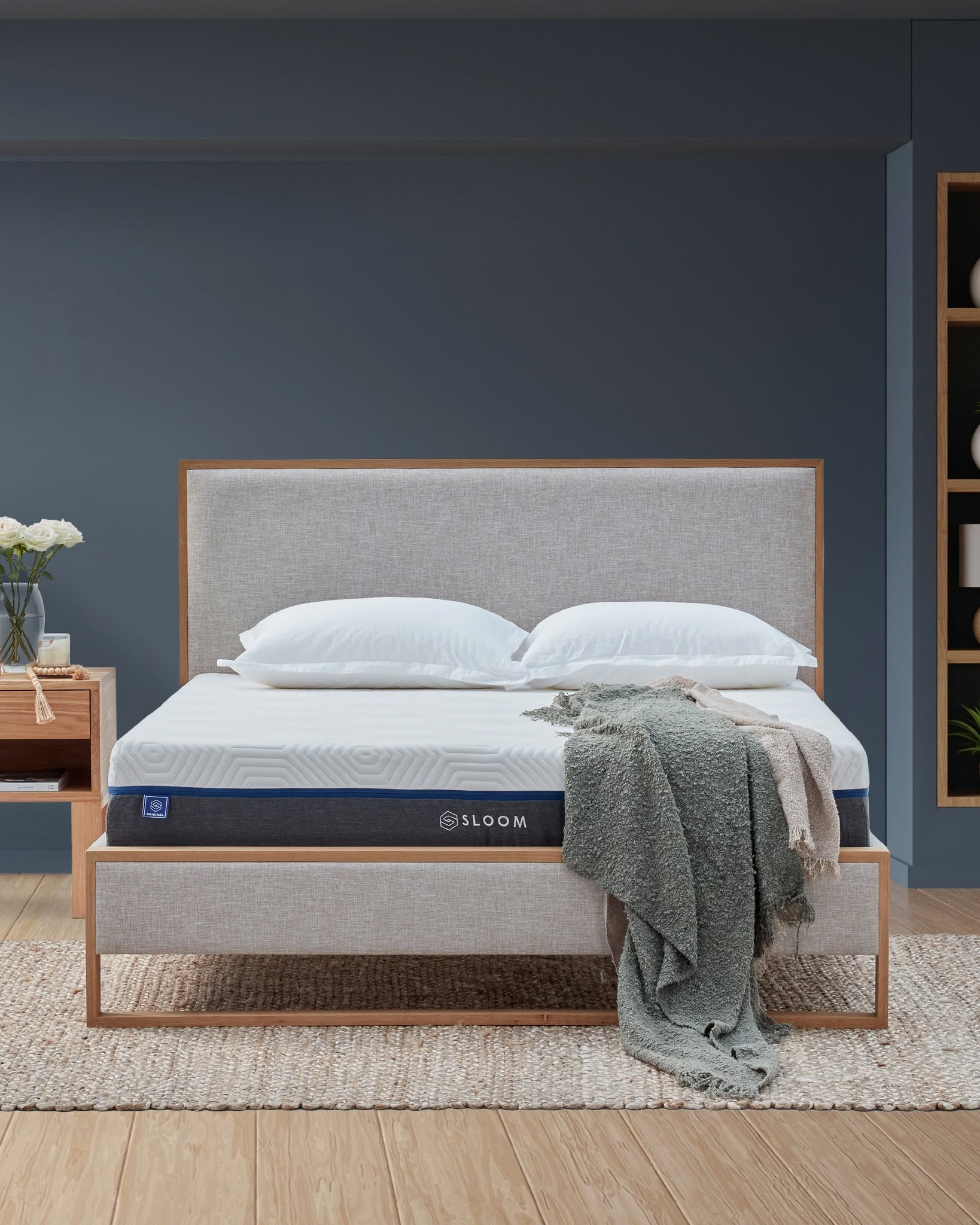
It continues with the room itself. If we are asking the body to recover from months of strain, we owe it the right conditions: a cooler room, no screens for the hour before bed, and a mattress and pillows that genuinely support the body. Waking with aches or spending the night searching for a comfortable position isn’t a minor inconvenience. It is energy leaking out of a system that cannot spare it.
And it ends with a buffer. Much of end-of-year burnout comes from carrying the working day straight into bed. The last forty-five minutes before sleep should be a deliberate transition, a signal to the brain that the day is closed. Read something on paper. Step away from the inbox. Let the nervous system come down before asking it to switch off.
None of this requires a retreat or a revolution. It requires a decision to stop spending tomorrow’s energy on today’s to-do list.
The aim is not to crawl across the finish line of the year, hollowed out. The festive season is meant for connection and celebration. It should not be something we spend recovering from the working year.
Sleep is not what we do once everything else is finished. It is how we finish everything else, and how we arrive at the new year with something left to give.