

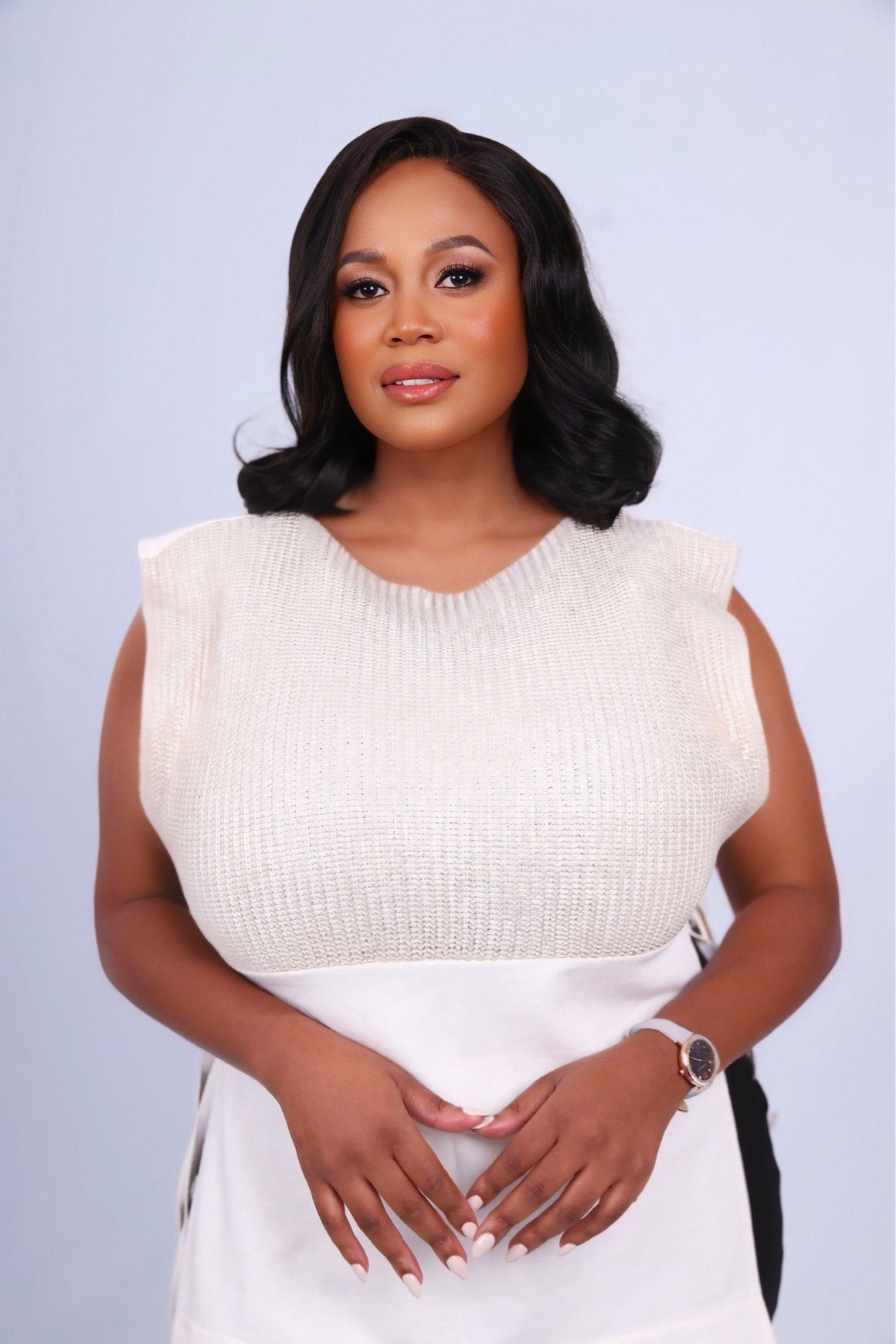
As consumers turn towards buying less, but better, Laud Beauty founder Jeri Mookana sees the future of beauty in the codes of architecture and design, where craftsmanship is defined by restraint, intention and quiet discernment.
Walk into any beauty hall and the message will be the same – volume. Another serum, another drop, another limited edition released before the last one has been finished. For the better part of two decades, the industry has competed on abundance, speed and the relentless pursuit of what comes next.
Jeri Mookana, founder of Laud Beauty, South Africa’s curator of independent beauty from around the world, believes that era is closing.
“Beauty doesn’t need more noise. It needs an edit,” says Mookana. “The women I meet are not short of options. They are short of time, short of trust, and short of someone who will tell them honestly what is worth keeping.”
Mookana has spent almost two decades building brands for some of South Africa’s best-known retail and beauty businesses, from Checkers to Clicks and The Body Shop, before moving into senior roles spanning e-commerce, digital strategy and consumer growth.
“Beauty is at its most powerful when it feels considered, honest and deeply personal,” says Mookana. “After years of building brands for others, I wanted to create the kind of destination I had always hoped to find – one with a clear point of view, a sense of discovery, and the confidence to choose well rather than offer everything to everyone.”
The customer has already stepped off the treadmill
Mookana believes the next era of beauty will be shaped by a more discerning consumer, one who is less impressed by constant novelty and more interested in provenance, performance, longevity, and
the intelligence behind what they buy.
It’s a shift already reflected in global consumer forecasting, with recent research pointing to a growing appetite for intentional consumption. Consumers are increasingly seeking to buy less but better, placing greater value on craftsmanship, durability and products that can justify a place in their lives.
“These are women who want to understand what went into something, who made it, why it exists, and whether it truly deserves a place in their routine,” she says. “This level of discernment is becoming its own expression of luxury. The desire is no longer for endless choice. It’s for the confidence in knowing you have chosen well.”
What architecture already knows
Mookana’s view is that beauty has been looking in the wrong place for its idea of ‘luxury’. The more useful lesson sits in neighbouring disciplines that have spent centuries thinking about the elegance in restraint.
Mies van der Rohe gave modernism “less is more”. The German industrial designer Dieter Rams refined it to “less, but better.” In both, the craft echoes not more, but rather what has been taken away.
“An architect doesn’t add a wall because there is space for one,” says Mookana. “Every material has to earn its place, and you can feel that discipline when you stand in the room. A formula should be held to the same standard. Every ingredient should be added for a reason, and the brand should be able to tell you what that reason is.”
The brands Mookana is drawn to already reflect this way of thinking. Whamisa, for example, approaches skincare through a philosophy of organic botanicals, traditional Korean fermentation and highly considered formulation. Its products are shaped by process, patience and the belief that every ingredient should have a clear purpose.
“Craftsmanship is a series of considered decisions,” she says. “It’s the discipline to do one thing exceptionally well, to refine it, to remove what does not serve it and to stand behind what remains.
You can see that integrity in a beautifully made object, space or piece of photograph, and you should be able to feel it in a beautifully made formula too.”
Curation as a craft
Laud Beauty was built on that principle. Conceived as a home for luxurious, considered beauty, it searches the world for independent skincare brands with substance, distinctive formulations and founders with a clear point of view, bringing only a tightly curated selection to South Africa.
Every product is aesthetician-curated, and each must answer three questions before it enters what Laud calls its Canon: does it perform, what knowledge shaped it, and is it worth keeping? Anything that cannot answer all three is declined.
The result is a deliberately small edit, shaped by the belief that fewer, better-chosen products can offer greater value than endless choice. For Mookana, luxury lies not in accumulation, but in the confidence of knowing that each product has earned its place.
“One good thing, used well, is more luxurious than five things used once,” says Mookana. “The rooms I love most are warm. A beautifully made space still has a chair you want to sink into,” she says. “Ritual should feel like pleasure. An edit simply gives you the room to enjoy it.”
A South African case for less
The argument carries particular weight at home. South African women are managing tighter household budgets in a market crowded with imported options, and Mookana believes too few of them have been considered for local skin, climate and routines.
“Where other retailers compete on range, we compete on judgement,” she says. “When money is precious, a woman shouldn’t have to gamble on a product. Our job is to have asked the hard questions before anything reaches her shelf, and to explain the answers.”
That, Mookana believes, is how the industry will be judged over the next decade. Brands that keep releasing more will find themselves speaking to a customer who has stopped listening. Those that learn from architects, designers, curators and makers will earn something more longstanding than a simple sale.
“The market chases what’s next,” says Mookana. “We would rather keep what’s worth keeping.”